The Impact of ICE Actions on Families and the Lives of U.S. Citizens
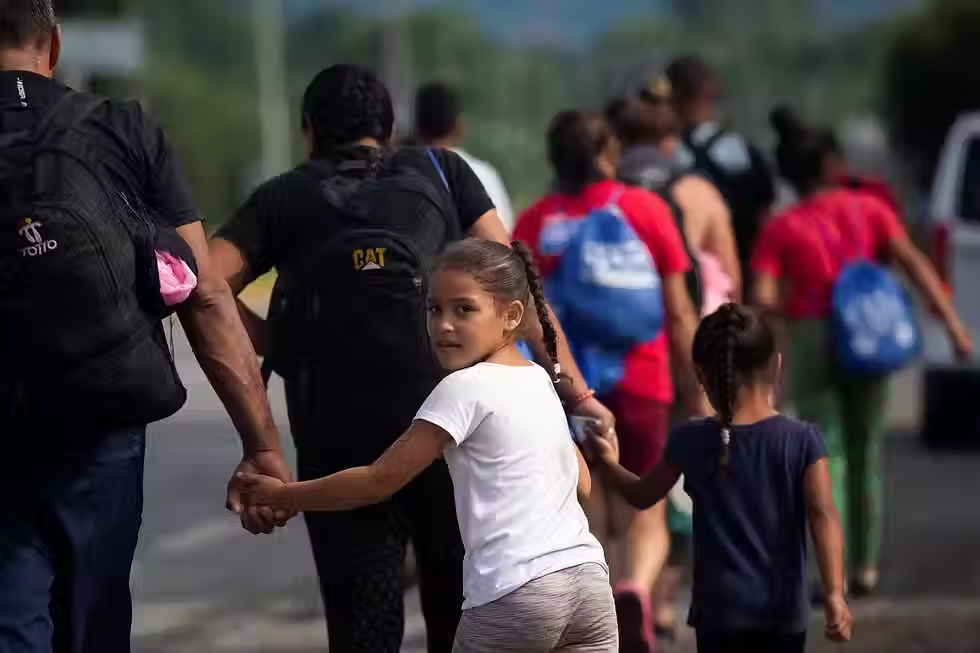
Immigration and border enforcement have long been contentious topics in the United States. Yet, recent reports of ICE agents attacking children and families, and even killing individuals who are U.S. citizens, have raised urgent concerns. These actions affect not only undocumented immigrants but also the broader community, shaking the foundations of trust and safety. This post explores the real consequences of ICE operations on families and citizens, highlighting the human cost behind the headlines.
How ICE Operations Affect Families
ICE (Immigration and Customs Enforcement) is tasked with enforcing immigration laws, but its methods have sometimes crossed into aggressive and harmful territory. Families, especially those with mixed immigration status, often bear the brunt of these actions.
Fear and Trauma Among Children
Children, many of whom are U.S. citizens by birth, experience deep fear when ICE agents conduct raids or arrests in their neighborhoods or homes. These encounters can cause lasting emotional trauma, affecting their mental health and development.
Family Separation
ICE arrests can lead to sudden separation of parents from their children. This disruption often leaves children in unstable situations, sometimes with relatives or in foster care. The emotional and financial toll on families is immense.
Community Distrust
Aggressive ICE actions create an atmosphere of fear in immigrant communities. Families may avoid seeking medical care, education, or legal help due to fear of deportation or arrest, even when they have legal rights or protections.
Cases of U.S. Citizens Harmed by ICE Actions
While ICE’s mandate focuses on undocumented immigrants, there have been troubling incidents where U.S. citizens have been caught in the crossfire.
Mistaken Identity and Wrongful Arrests
Several documented cases show ICE agents detaining or targeting individuals who are U.S. citizens. These errors can stem from faulty databases, racial profiling, or inadequate verification processes.
Fatal Encounters
There are rare but serious reports of ICE-related operations resulting in the death of U.S. citizens. These tragic outcomes raise questions about the use of force and accountability within ICE.
Legal Challenges and Advocacy
Families of affected U.S. citizens have pursued legal action to challenge ICE’s practices. Advocacy groups call for reforms to prevent wrongful arrests and ensure that citizens’ rights are protected.
The Broader Social Impact
The consequences of ICE’s aggressive tactics extend beyond individual families. They affect social cohesion and public trust in law enforcement.
Erosion of Trust in Authorities
When ICE agents act violently or unjustly, communities lose faith not only in immigration enforcement but also in police and government institutions. This distrust can hinder cooperation in crime prevention and public safety efforts.
Economic Hardship
Arrests and deportations disrupt family incomes and community economies. Children may lose access to education and healthcare, and families may face housing instability.
Mental Health Crisis
The stress and trauma caused by ICE actions contribute to increased rates of anxiety, depression, and other mental health issues in affected communities.
What Can Be Done to Address These Issues
Addressing the harmful impact of ICE actions requires policy changes, community support, and increased oversight.
Improved Training and Accountability
ICE agents should receive training focused on human rights and cultural sensitivity. Clear accountability mechanisms must be in place to investigate misconduct and prevent abuses.
Protecting Families and Children
Policies should prioritize keeping families together and protecting children from trauma. Alternatives to detention and community-based support programs can reduce harm.
Legal Safeguards for U.S. Citizens
Strengthening verification processes and providing legal recourse for wrongful arrests can protect citizens from being mistakenly targeted.
Community Engagement
Building trust between immigrant communities and law enforcement through dialogue and transparency is essential. Community organizations can play a key role in bridging gaps.


Comments